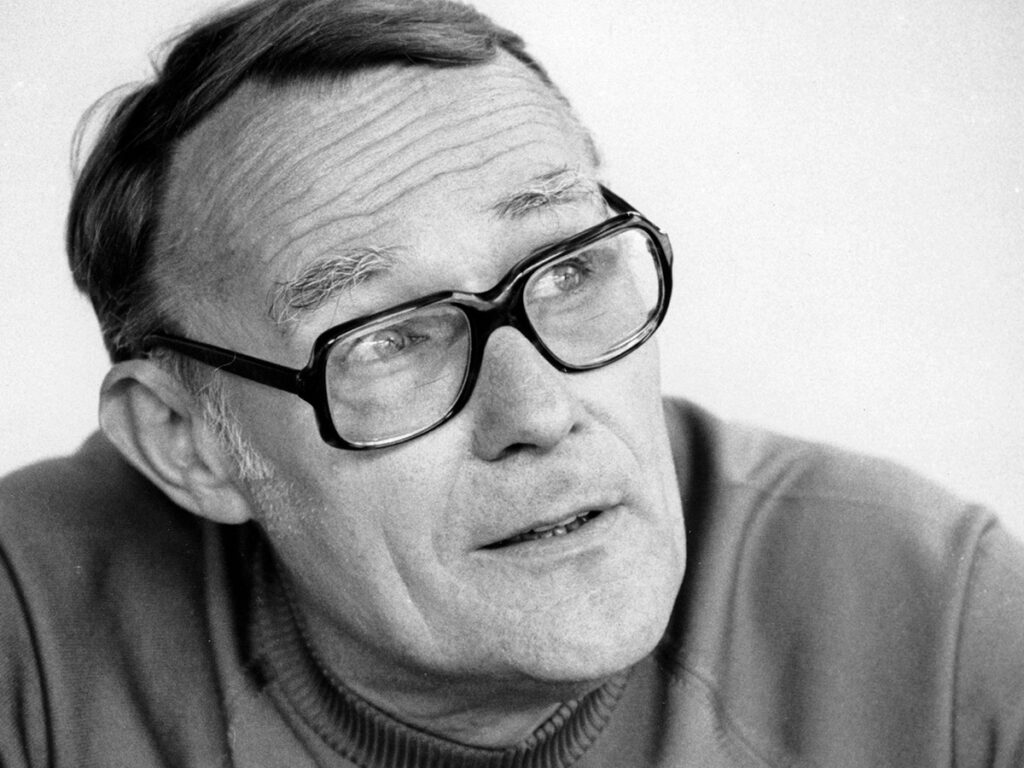
While IKEA – the Swedish home furnishings retail giant – is perhaps best known for causing spousal fights in its vast, maze-like showrooms and the signature meatballs it serves globally in its in-store cafeterias, its non-profit outlet, the IKEA Foundation, has fostered quite a different reputation. The group has funneled hundreds of millions of dollars into a slew of progressive causes, especially organizations peddling radical climate policy and initiatives.
“Letters reveal curious tie between Jewish refugee and Nazi-admiring IKEA founder”
The Times of Israel, 4/20/20
Launched in 1982 by the founder of IKEA – Swedish businessman Ingvar Kamprad – the IKEA Foundation is based in Leiden, Netherlands. The organization is solely funded by the INGKA Foundation, which in turn, is the lone owner of INGKA Group, the largest IKEA franchisee in the world. Since its creation, the IKEA Foundation has doled out a total of nearly €3 billion, or almost $3.5 billion in grants, including €1 billion, or $1.16 billion, it announced it would spend between 2021 and 2025 to “accelerate the reduction in greenhouse gas emissions.”
IKEA Foundation has made colossal contributions to the Climateworks Foundation, totaling almost $160 million, including grants to “supercharge the transition to zero-emission vehicles,” and to fund “a collaborative platform for the largest global foundations working on climate change mitigation.” Other notable recipients of IKEA Foundation grants include the World Resources Institute (WRI), Rockefeller Philanthropy Advisors, Windward Fund, and the Climate Policy Institute (CPI).
“Ikea founder Ingvar Kamprad’s Nazi ties ‘went deeper'”
BBC, 8/25/11
Besides a plethora of grants backing aggressive and radical climate and environmental policies, controversy and scandal have circled IKEA Foundation for decades. In 1994, IKEA’s founder, Ingvar Kamprad, admitted to having ties to pro-Nazi groups in Sweden during the Second World War. In 2011, Kamprad’s Nazi past resurfaced, with new information suggesting that he was a member of a Nazi youth organization and an active recruiter for a Swedish Nazi group during the war, and even remained close to Nazi sympathizers after World War II ended, and the international community had been made fully aware of the extensive horrors of the Holocaust. In 2006, an exposé by The Economist reported that INGKA Foundation, IKEA Foundation’s sole funder, was, at the time, not only the world’s richest foundation, but also its least generous, spending its resources minimally, all while operating with an overall set-up that “minimis[ed] tax and disclosure.”